Character Tools

Outfit Generator for Outfit concepts with role

For creators designing costumes for characters and story worlds, Outfit Generator is built to design clothing that tells the reader who the character is and where they belong. The page focuses on the practical need to define a reusable cast asset before asking the model for many panels, so the output can be judged as character reference with a clear production role.

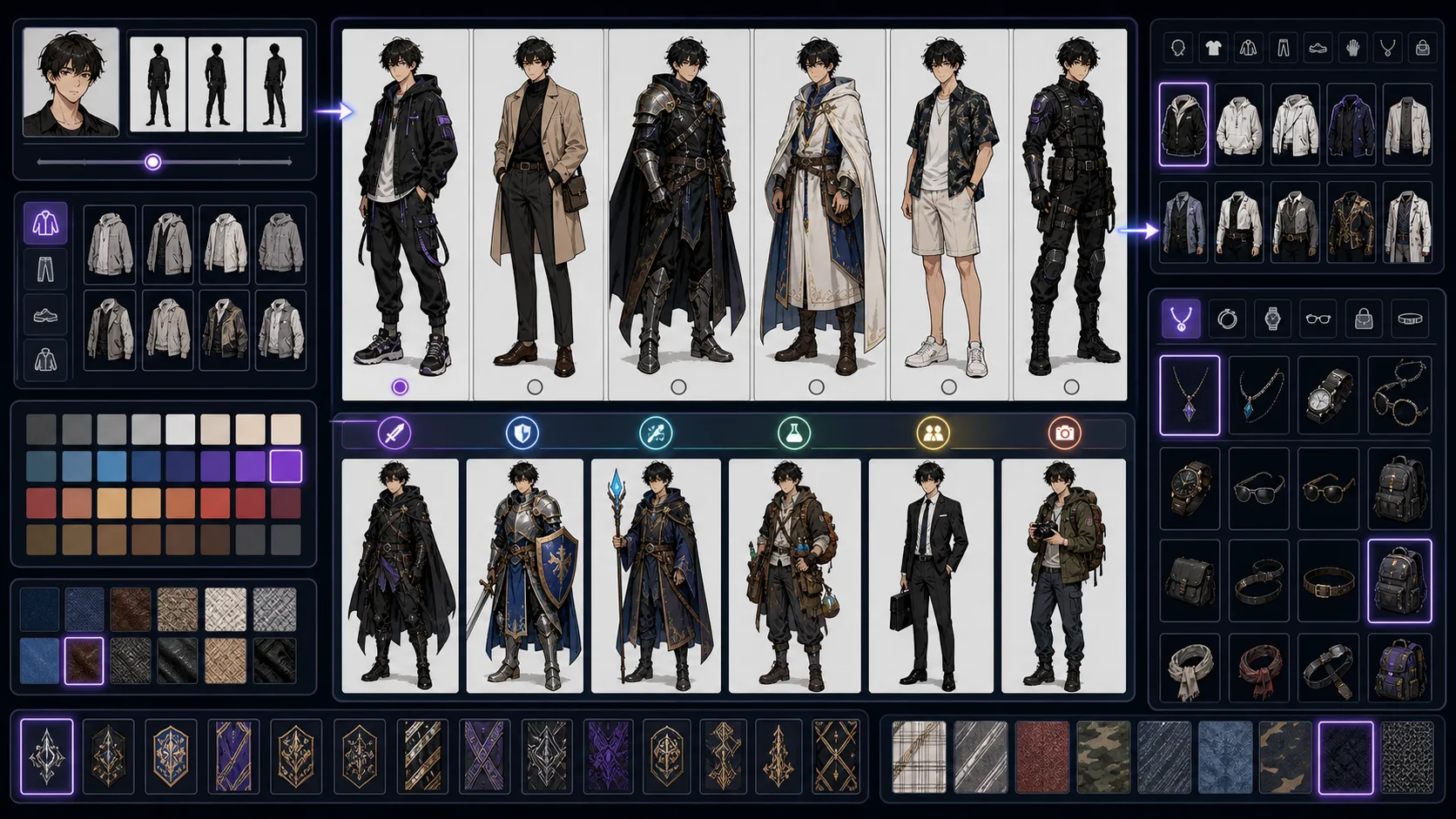
Outfit Generator board with costume silhouettes fabric swatches accessories and full body variants

Uso práctico

Dónde ayuda Outfit Generator

Outfit Generator is strongest when the creator already knows the decision they need to make. Use it for outfit concepts with role, setting, and silhouette logic, then judge the result by silhouette, outfit logic, face shape, color anchors, expression range, and repeatable props. That keeps the page grounded in character design rather than broad image generation.

The honest limitation is this: overdesigned outfits are hard to repeat and can distract from face and action. In practice, the design may look attractive once but drift badly when reused in a different pose, crop, or episode. Stronger results come from the first decision: separate permanent identity anchors from details that can change scene by scene. The working constraint is: choose one statement detail and keep the rest functional.

Úsalo cuando

  • Designing outfits that reveal role, setting, movement, and personality.
  • Testing clothing silhouettes, material choices, color accents, and accessory logic.
  • Creating hero costumes, uniforms, fantasy outfits, streetwear, and seasonal variants.

Ten cuidado cuando

  • Overdesigned outfits that are hard to repeat across panels.
  • Costume changes that erase the character's silhouette or story role.

Workflow

A Outfit Generator workflow that protects the result

The workflow below is specific to Outfit Generator: define the character design decision, set the asset boundary, give visible evidence, then approve only the drafts that can move into a real next step.

1

Lock the identity

Start by writing the job in one sentence: design clothing that tells the reader who the character is and where they belong. For Outfit Generator, the first decision is to separate permanent identity anchors from details that can change scene by scene.

2

Separate fixed details

Decide whether the output is meant to become hero costumes, school uniforms, fantasy outfits, streetwear, and variant designs. That choice controls crop, detail density, text space, and how much of the scene belongs in one pass.

3

Show design evidence

Describe what the model should make visible: consistent hair shape, outfit layers, proportions, signature object, and readable expression language. Then add the style language that matters here: layers, materials, color accents, prop compatibility, and readable silhouette.

4

Test variations

Generate alternatives by changing one variable at a time. For character design, useful variables include camera distance, emotion, panel role, source fidelity, line weight, or text hierarchy.

5

Save the cast note

Keep a result only when it passes the review focus: silhouette, outfit logic, face shape, color anchors, expression range, and repeatable props. The next move should be obvious: save the approved anchors, then use them in panel prompts, episode planning, or cover art.

Prompt craft

Prompt pattern for Outfit Generator

A useful Outfit Generator prompt begins with the asset you need, not a list of style adjectives. Give the model a visible subject, the production role, and the review focus: silhouette, outfit logic, face shape, color anchors, expression range, and repeatable props.

Reusable formula

Subject + visible change + character reference role + hero costumes, school uniforms, fantasy outfits, streetwear, and variant designs + layers, materials, color accents, prop compatibility, and readable silhouette + review rule: choose one statement detail and keep the rest functional.

Weak prompt

cool fantasy outfit

Stronger prompt

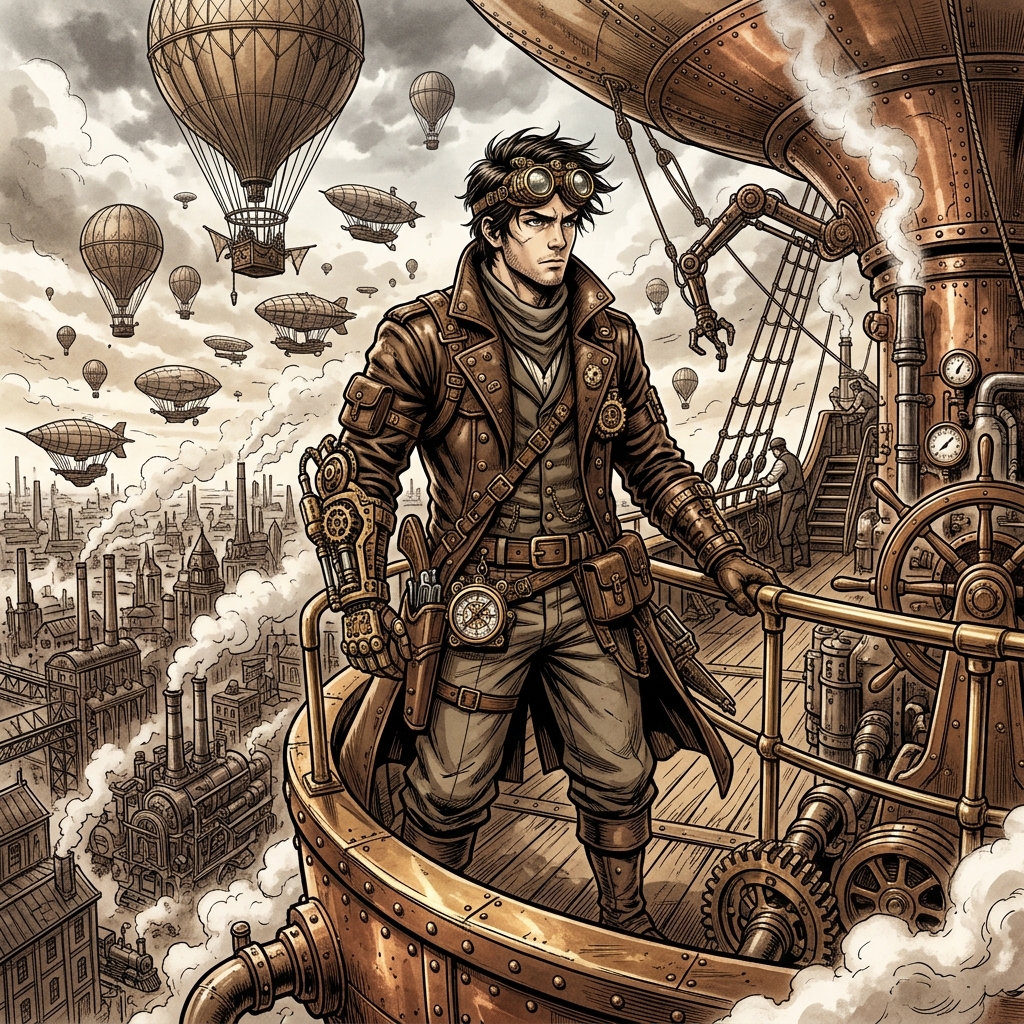
a practical sky-pirate outfit with glider straps, scarf, and brass repair tools, designed for hero costumes, school uniforms, fantasy outfits, streetwear, and variant designs, with layers, materials, color accents, prop compatibility, and readable silhouette; make the reader understand that choose one statement detail and keep the rest functional; leave clean space for later editing and keep the focal point clear.

Why this works

The stronger version names the subject, the visible change, and the asset role. It also tells the tool what success looks like for character design: silhouette, outfit logic, face shape, color anchors, expression range, and repeatable props.

Quality signals

How to judge Outfit Generator output

Use these checks before spending more time on a result. They are tuned for Outfit Generator, where the main risk is that the design may look attractive once but drift badly when reused in a different pose, crop, or episode.

Silhouette

The viewer should know what to notice first. For this tool, that first read should support choose one statement detail and keep the rest functional.

Reference fit

The draft should behave like character reference with a defined job. Check whether it is actually useful for hero costumes, school uniforms, fantasy outfits, streetwear, and variant designs.

Expression range

Leave room for bubbles, captions, crop marks, export UI, or follow-up editing instead of filling every inch with detail.

Anchor list

A repeatable result needs visible anchors: consistent hair shape, outfit layers, proportions, signature object, and readable expression language. Save those anchors beside the generated draft.

Design drift

Look directly for the common failure: the design may look attractive once but drift badly when reused in a different pose, crop, or episode. If that appears, revise the brief before generating again.

Reuse path

A keeper should point to a clear follow-up: save the approved anchors, then use them in panel prompts, episode planning, or cover art. If it does not, treat it as a mood reference, not production output.

Visual examples

References that fit Outfit Generator

Outfit examples should be judged by function: the clothing should explain who the character is and how they move.

Outfit Generator board with costume variants and accessory options

Costume design board

A strong outfit concept balances silhouette, materials, role, color accents, and repeatable details.

Steampunk manga outfit reference

Material logic

Genre outfits work better when accessories and fabrics serve a believable role.

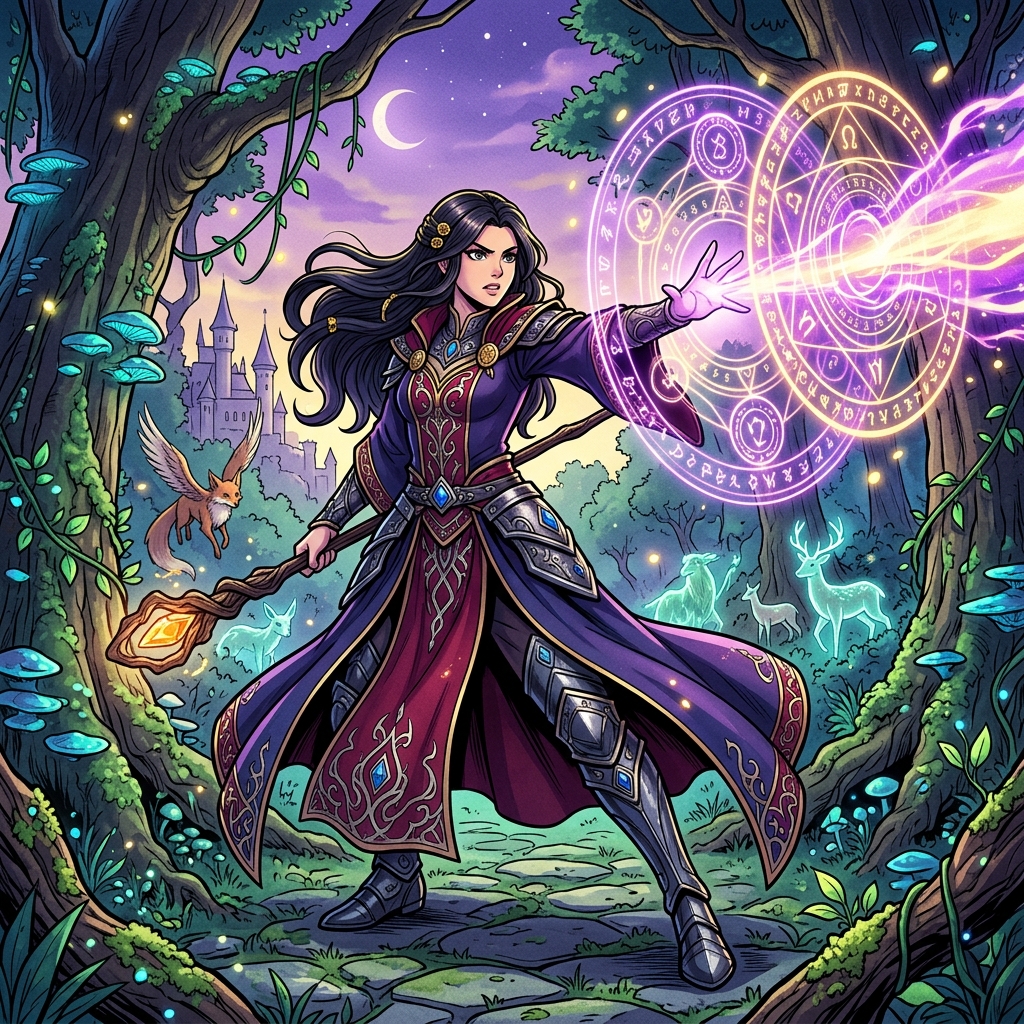
Fantasy manga outfit reference

Fantasy variant

Fantasy clothing needs one memorable statement detail and a clear silhouette.

Creator field guide

How experienced creators use Outfit Generator

These notes are the practical layer behind the generator. They help creators decide what to ask for, what to ignore, and when a draft is ready to move into a larger ComicsAI workflow.

Brief Outfit Generator around one deliverable

Do not ask for a whole project in one prompt. Ask for character reference that helps creators designing costumes for characters and story worlds. A good brief names the deliverable, the visible subject, the emotional change, and the format. For this page, "a practical sky-pirate outfit with glider straps, scarf, and brass repair tools" is more useful when it is tied to hero costumes, school uniforms, fantasy outfits, streetwear, and variant designs and a concrete review rule: choose one statement detail and keep the rest functional.

Protect the character design decision

Every tool here has a different creative pressure. In Outfit Generator, the pressure is define a reusable cast asset before asking the model for many panels. That means the prompt should prioritize silhouette, outfit logic, face shape, color anchors, expression range, and repeatable props before extra polish. A beautiful result is still weak if it fails the decision the page was built to make.

Turn invisible story into visible signals

Backstory, mood, and theme only help when they change something the reader can see. Translate hidden ideas into posture, crop, lighting, props, wording, panel height, or negative space. This protects the tool from the common failure where the design may look attractive once but drift badly when reused in a different pose, crop, or episode.

Compare versions with one test rule

Use the same test prompt when comparing styles or settings. Change only one thing at a time, then judge against choose one statement detail and keep the rest functional. This makes the result easier to discuss with collaborators because the debate moves from taste to observable evidence.

Document the useful part

When a result works, write down why. Note the prompt phrase, the crop, the style detail, and the limitation. For Outfit Generator, the useful part is usually not the whole image; it may be the silhouette, the line break, the scroll timing, the character anchor, or the panel role.

Stop when the draft has a job

The goal is not endless regeneration. Stop when the output can become the next asset in the chain: save the approved anchors, then use them in panel prompts, episode planning, or cover art. That habit keeps the tool connected to real comic production instead of turning the page into a gallery of unrelated experiments.

Field notes

Production notes for Outfit Generator

Outfit Generator should treat clothing as storytelling. A costume tells the reader what the character does, how they move, what world they belong to, and what they choose to reveal or hide. A strong outfit has one statement detail supported by functional layers, not a pile of accessories that become impossible to repeat.

The page should also warn that every costume detail creates continuity cost. If a character has ten belts, tiny ornaments, and complex trim, future panels will drift. A better outfit locks a silhouette, material logic, and a few color anchors so the design remains usable in action, close-ups, and covers.

Useful Outfit Generator scenarios

Main outfit

Define the clothing anchors a character will repeat across scenes.

Scene variant

Create a practical alternate outfit without losing identity.

Common Outfit Generator mistakes

Too many details

Every buckle and trim adds continuity cost later.

No movement logic

Clothing should match how the character fights, works, travels, or rests.

Where to go next

Outfit work leads into character references, sheets, pose tests, and cover generation.

Preguntas de creadores

What is Outfit Generator?

Outfit Generator is a ComicsAI tool for outfit concepts with role, setting, and silhouette logic. It is built around design clothing that tells the reader who the character is and where they belong, with a practical focus on define a reusable cast asset before asking the model for many panels.

How do I get better outfit generator results?

Start with the production role, then describe visible evidence: consistent hair shape, outfit layers, proportions, signature object, and readable expression language. Add layers, materials, color accents, prop compatibility, and readable silhouette, and review the result for silhouette, outfit logic, face shape, color anchors, expression range, and repeatable props.

What should I check before keeping a Outfit Generator result?

Check whether the result supports choose one statement detail and keep the rest functional. Also look for the main failure mode: the design may look attractive once but drift badly when reused in a different pose, crop, or episode.

Should the prompt be long or short?

Focused is better than long. Include details only when they change character reference: crop, voice, pose, line breaks, source fidelity, panel role, or layout space.

How does this fit with the rest of ComicsAI?

Use Outfit Generator for character design, then continue with related tools such as AI Character Generator, Character Reference Maker, Comic Cover Generator when the project needs the next draft, edit, reference, or release step.