Brief Manga Script Generator around one deliverable
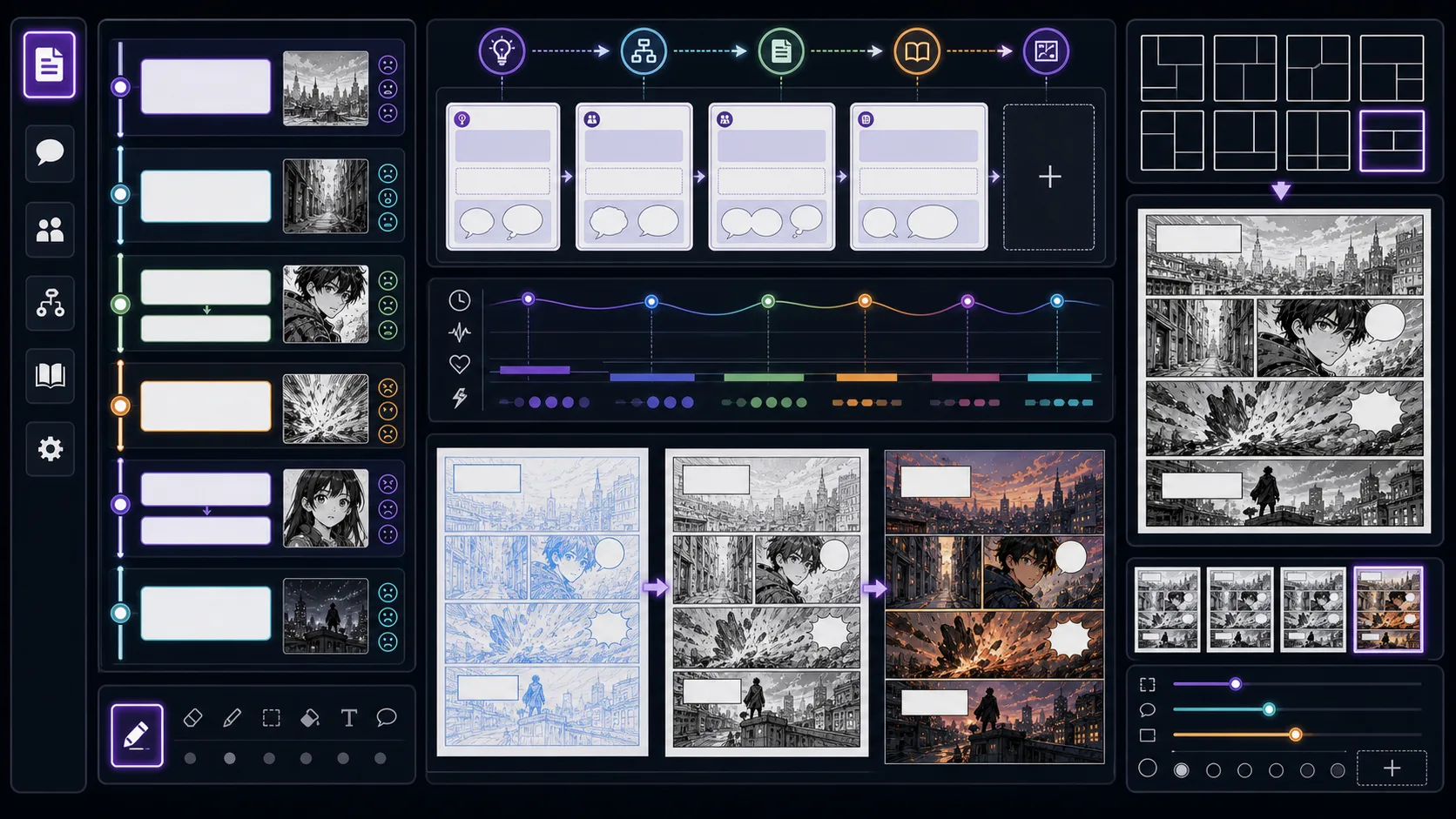
Do not ask for a whole project in one prompt. Ask for structured text that helps writers structuring manga scenes before art. A good brief names the deliverable, the visible subject, the emotional change, and the format. For this workflow, "a manga script for a nervous archer challenging their older sibling" is more useful when it is tied to chapter scenes, dialogue pages, action sequences, and page thumbnails and a concrete review rule: write what can be seen, spoken, or implied through panel order.
Protect the writing and adaptation decision
Every tool here has a different creative pressure. In Manga Script Generator, the pressure is turn loose story material into language that can survive panel space, pacing, and character voice. That means the prompt should prioritize voice, pacing, line length, scene logic, and whether the words leave room for the art to do work before extra polish. A beautiful result is still weak if it fails the decision the workflow was built to make.
Turn invisible story into visible signals
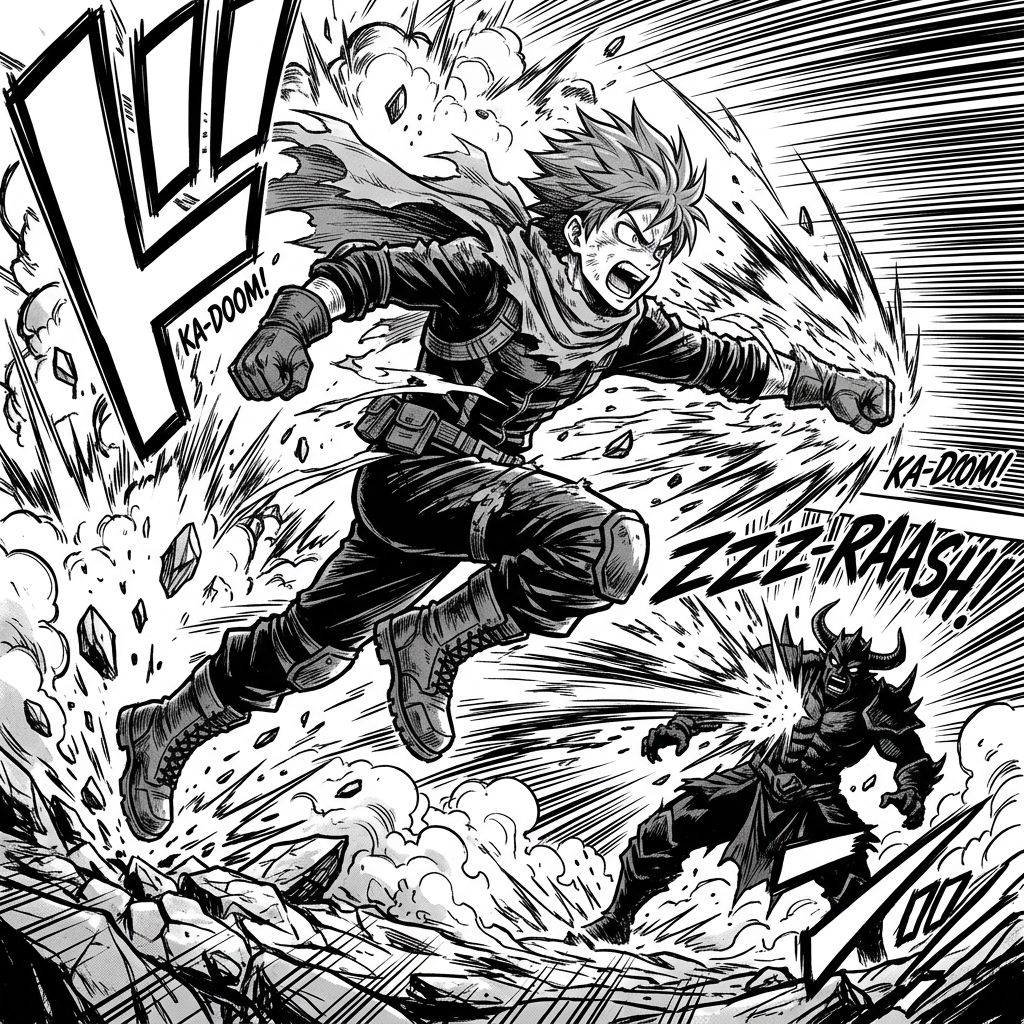
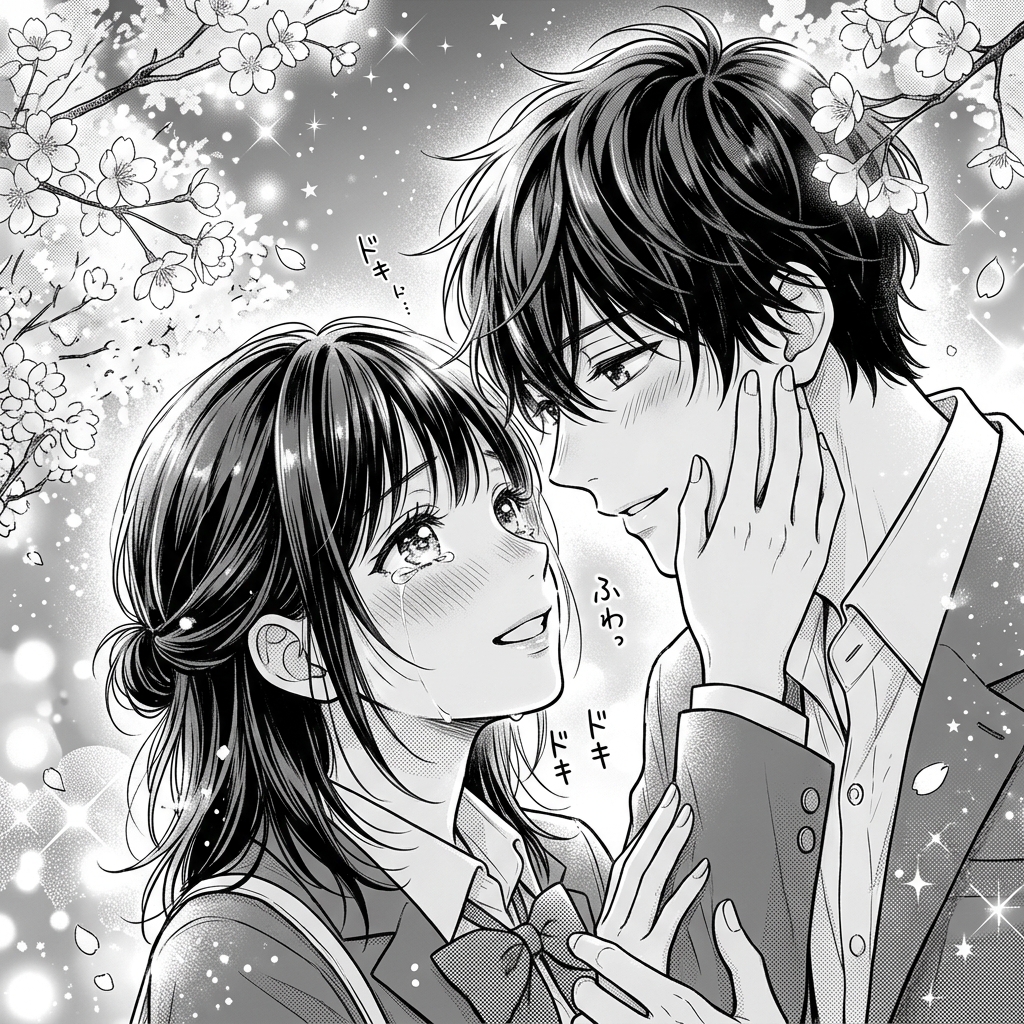
Backstory, mood, and theme only help when they change something the reader can see. Translate hidden ideas into posture, crop, lighting, props, wording, panel height, or negative space. This protects the tool from the common failure where the result may sound fluent while ignoring panel context, bubble length, or the speaker's emotional state.
Compare versions with one test rule
Use the same test prompt when comparing styles or settings. Change only one thing at a time, then judge against write what can be seen, spoken, or implied through panel order. This makes the result easier to discuss with collaborators because the debate moves from taste to observable evidence.
Document the useful part
When a result works, write down why. Note the prompt phrase, the crop, the style detail, and the limitation. For Manga Script Generator, the useful part is usually not the whole image; it may be the silhouette, the line break, the scroll timing, the character anchor, or the panel role.
Stop when the draft has a job
The goal is not endless regeneration. Stop when the output can become the next asset in the chain: move the approved text into captions, bubbles, prompts, thumbnails, or a page plan. That habit keeps the tool connected to real comic production instead of turning the workflow into a gallery of unrelated experiments.