Demand drawable moments
A comic story idea should produce images: entrances, reveals, reactions, choices, and consequences. A summary without visual beats is not ready.
Story Tools
Comic Story Generator helps turn rough ideas into visual story material: hooks, conflicts, scene beats, page arcs, and panel-ready moments that can move into artwork.
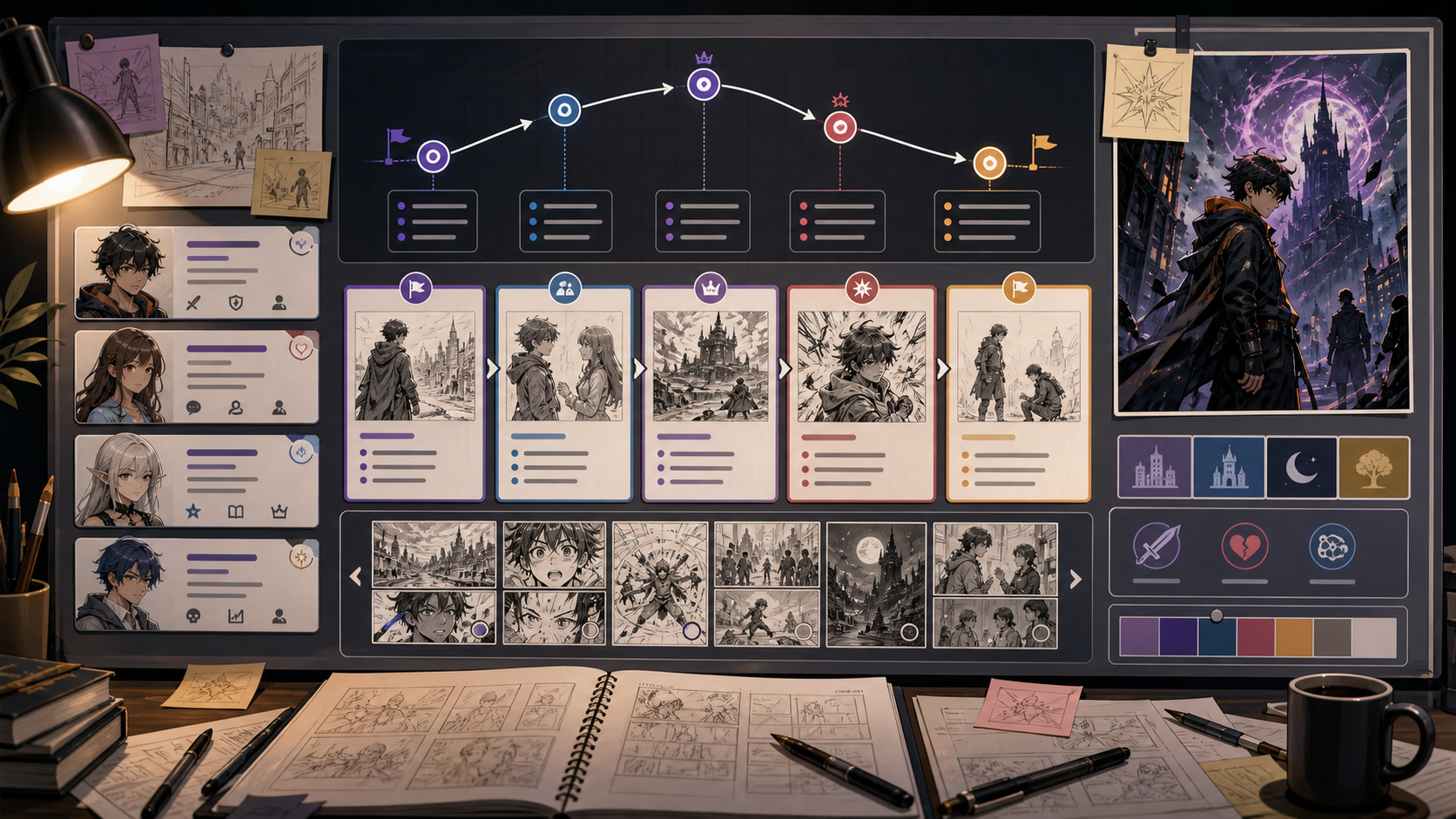
Practical take
this workflow is for story structure, not generic fiction. A comic story must become images. The strongest output gives you scenes that can be staged, expressions that can be drawn, and turning points that deserve panels.
The risk is producing a plot summary with no visual plan. A usable comic story should identify what the reader sees at key moments.
Workflow
Comic story writing should move from premise to visual beats as quickly as possible.
State the unusual promise of the story in one sentence.
Name what the main character wants and what pushes back.
Turn the idea into scene beats with visible actions and emotional changes.
Choose the reveals, reactions, and images that should become generated panels.
Prompt craft
A useful Comic Story Generator prompt begins with the asset you need, not a list of style adjectives. Give the model a visible subject, the production role, and the review focus: voice, pacing, line length, scene logic, and whether the words leave room for the art to do work.
Subject + visible change + structured text role + one-shots, chapter outlines, webtoon arcs, and pitch concepts + clear conflict, visual scenes, character wants, and panel-friendly turns + review rule: make every major beat visible as an action, expression, object, or setting.
write a comic story
a mystery comic about a lighthouse keeper receiving letters from underwater, designed for one-shots, chapter outlines, webtoon arcs, and pitch concepts, with clear conflict, visual scenes, character wants, and panel-friendly turns; make the reader understand that make every major beat visible as an action, expression, object, or setting; leave clean space for later editing and keep the focal point clear.
The stronger version names the subject, the visible change, and the asset role. It also tells the tool what success looks like for writing and adaptation: voice, pacing, line length, scene logic, and whether the words leave room for the art to do work.
Quality signals
A good comic story output should create drawable moments, not only a written synopsis.
The premise should suggest images quickly.
The main character should want something specific.
Each beat should change the situation.
The output should identify moments worth drawing or generating.
Visual examples
Story images here are chosen for premise strength: location, conflict, and moments that could become panels.
A useful comic story plan turns premise, conflict, reveals, and character choices into drawable moments.
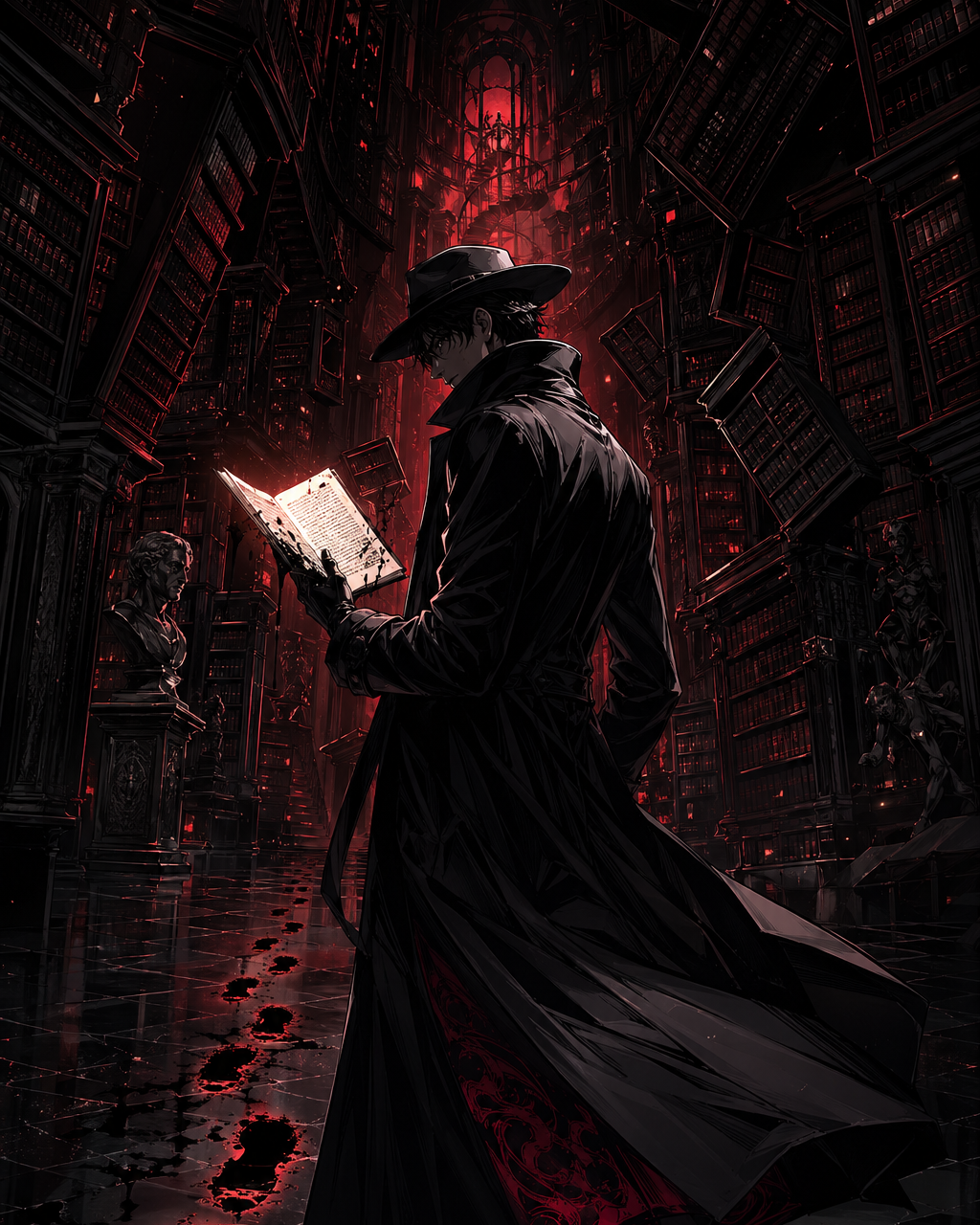
Setting can become story when it creates questions and constraints.
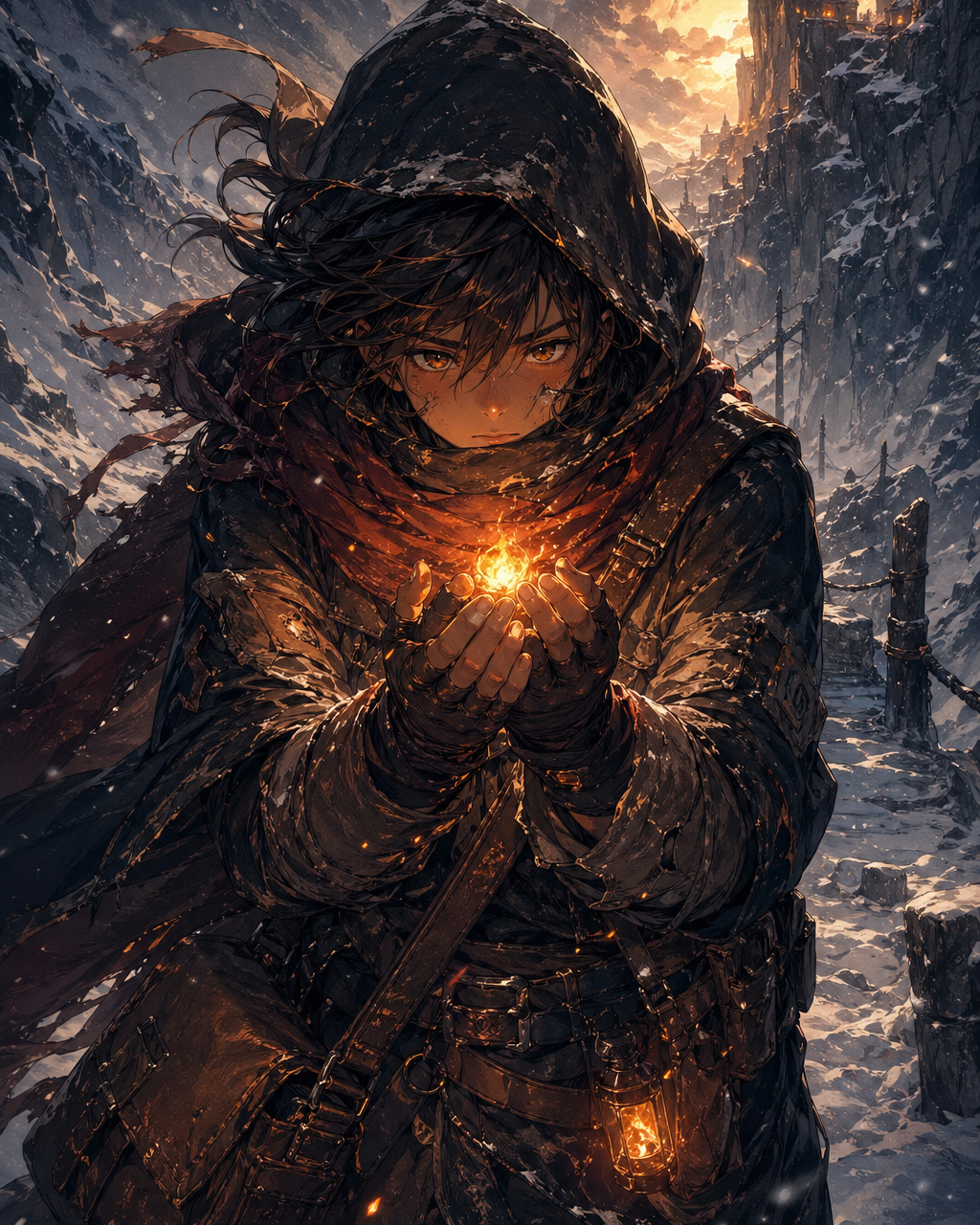
A clear role and objective make later panel choices easier.
Creator field guide
These notes help creators decide what to plan, what to ignore, and when a draft is ready for the next production step.
A comic story idea should produce images: entrances, reveals, reactions, choices, and consequences. A summary without visual beats is not ready.
Every scene should pressure what the character wants. If the want disappears, the story becomes a sequence of events instead of drama.
After outlining, label which moments deserve panels, covers, character references, or captions so the next tool choice is obvious.
Field notes
Comic Story Generator should not produce generic plot summaries. Its job is to create stories that can become images. That means the output should include visual hooks, character wants, conflict pressure, scene turns, and moments that deserve panels.
A strong comic story usually has a visible engine. The reader should be able to imagine entrances, reveals, confrontations, objects, settings, or decisions. If the story only explains lore, it may need another pass before image generation begins.
This workflow can help users move from idea to production by marking panel candidates. After a story draft, the creator should identify which beats become prompts, which become captions, which require character design, and which could become a cover. That makes the tool feel connected to the rest of ComicsAI.
The story workflow should also protect creators from overbuilding. Many comic ideas collapse under too much lore before the first scene works. A better output starts with a short visible promise, then expands into conflict, setting, and cast only when those details create panels. This makes the tool especially valuable for beginners who have ideas but need a drawable structure.
Build a compact beginning, turn, and payoff.
Create scene beats that can become webtoon or comic panels.
A story that cannot produce images is not ready for comic generation.
Scenes feel flat when the protagonist does not want anything specific.
After the story beats are clear, move into prompt generation, dialogue, captions, or visual panel creation.
It creates story hooks, conflicts, scene beats, and visual moments that can be developed into comic panels or scripts.
Comic writing must think visually. Scenes need actions, expressions, settings, and turns that can be shown in panels.
Yes. Short comics benefit from tight setup, turn, and payoff structure.
Pick the strongest scene beats and move them into prompt writing, panel generation, or page layout.